RAC second-quarter pothole breakdowns reach ‘unseasonable high’
Pothole-related breakdowns up by 9% compared to Q2 2024

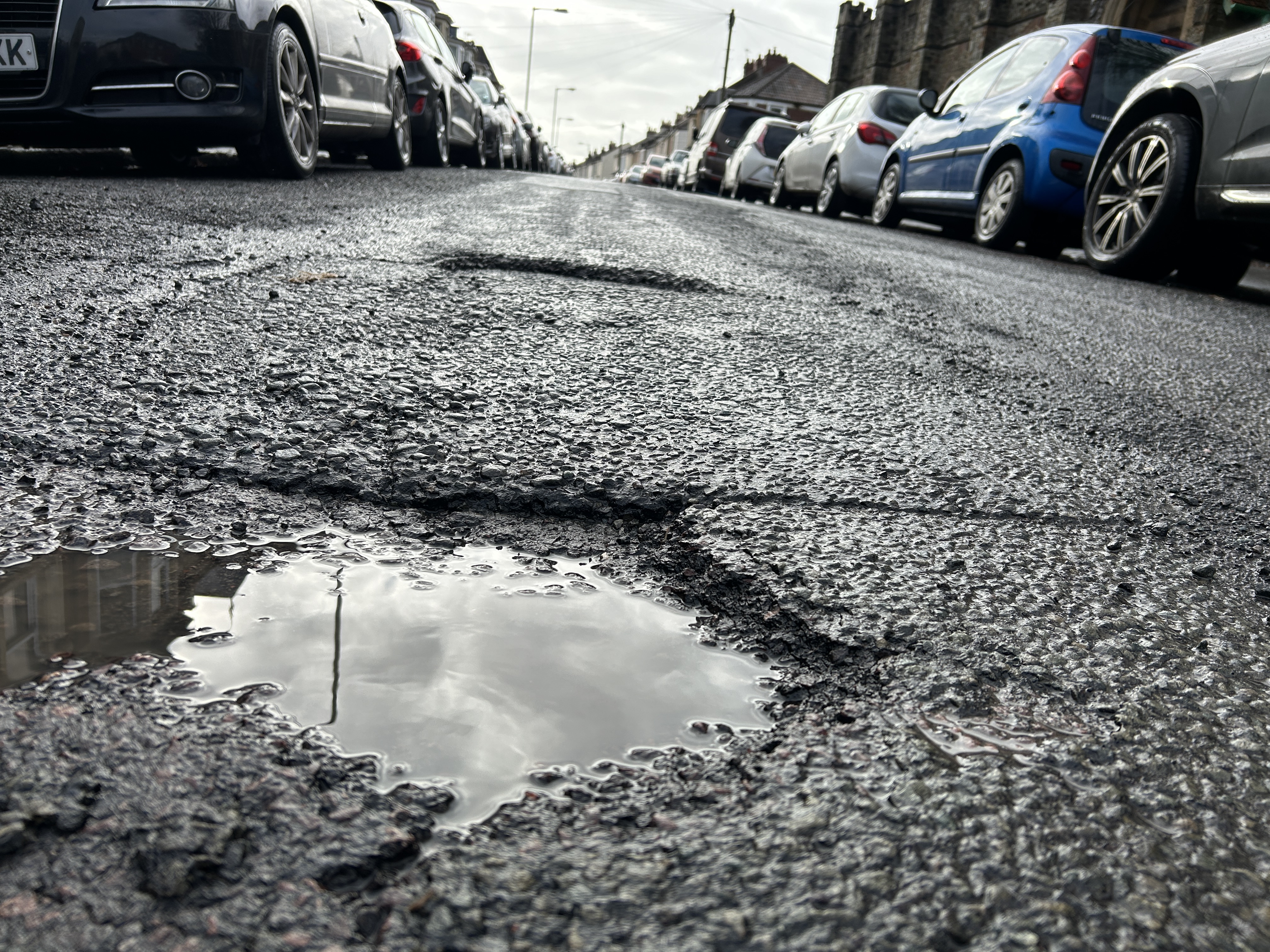
Pothole-related breakdowns hit an unseasonable high in the second quarter of 2025 with RAC patrols attending 9% more than they did in April to June last year, according to new data from the RAC’s Pothole Index.*
In total, the RAC dealt with 6,575 call-outs for damaged shock absorbers, broken suspension springs and distorted wheels – the breakdowns most likely to be caused by poor road surfaces, compared to 6,050 in the same period in 2024. Excluding the first three months of the year which are always the worst for pothole-related breakdowns, this is the highest number of quarterly pothole call-outs since the second quarter of 2023.**
The findings also show it continues to be a bumpy ride for the nation’s drivers with a worsening picture when looking over a longer period to smooth out the effects of weather. RAC patrols went out to 24,763 pothole breakdowns in the 12 months up to 30 June 2025 – the equivalent of 68 a day – and over 500 more than they attended in the 12 months up to the end of March this year.
Of the three main types of breakdown associated with pothole wear and tear, broken suspension springs top the list – no doubt because they are designed to absorb the impact of irregularities in the road. Between April and June 2025, RAC patrols went to 4,779 breakdowns due to broken suspension springs, up by 23% (892) on the 3,887 reported in 2024. The RAC has also seen a major uptick in the number of motorists opting to have their broken springs repaired on their drives by the RAC's mobile servicing and repairs team instead of at a garage.
The RAC believes the number of pothole breakdowns seen between April and June are ‘unseasonably high’ because the weather in the first three months of 2025 was significantly colder than the same period last year. Winter conditions create more potholes due to water seeping into existing cracks in older roads that haven’t been sealed with surface dressing treatment, then freezing and expanding.
Looking at the proportion of pothole-related call-outs against all RAC breakdowns, the percentage in the second quarter of 2025 is the highest in seven years at 1.2% – a jump from 1% in the second quarter of 2024.
RAC head of policy Simon Williams said: “Although English councils received a record amount of funding for roads at the start of the new financial year in April, it’s too early to notice the benefit of increased maintenance programmes.
“We can clearly see the cold winter weather at the start of the year has left its mark and caused an ‘unseasonable high’ in breakdown volumes during a quarter when we’d typically expect a reprieve.
“With second-quarter RAC call-outs 9% higher than the same period last year, we hope English councils have been putting their allocated funding pots to good work in the summer surface dressing season which runs from April to September. We hope drivers will soon start to see the results of both the preventative maintenance and resurfacing works they have done.
“We’re urging all highways authorities to think ‘prevention over patching’ when it comes to their maintenance work. After filling the most severe potholes as permanently as possible, preventative treatments like surface dressing are by far the most effective because they stop potholes appearing in future. Now councils have long-term certainty of funding, they can plan surfacing dressing works, along with resurfacing roads that are beyond repair.”
Mike Hansford, chief executive of the Road Surface Treatments Association, said: “Untreated asphalt roads will naturally degrade over time, leading to the formation of potholes. It is essential to invest in cost effective preventative road surface treatments to seal the road; preventing water ingress, and to act as a barrier to the elements and the effects of trafficking, keeping roads in good condition for longer and preventing potholes.”
Separate RAC data found drivers are still directly paying the price of poor road surfaces. Looking at the types of unexpected motoring repair costs, a fifth (21%) said they had to fork out for new suspension parts such as shock absorbers and springs which are most commonly damaged by potholes.*** This figure rises to 30% for those driving cars between three and 10 years old.

The RAC’s nationwide team of mobile servicing and repairs technicians can replace broken suspension springs at drivers’ homes or places of work, removing the hassle of getting to and from a garage. To book repairs with an RAC Mobile Mechanic, call 0333 070 2784 or use the myRAC app.
Ends
Notes to Editors
* The RAC Pothole Index is a 12-month rolling measure of the share of pothole fault breakdowns compared to 2006, corrected for seasonal weather effects and improving longer term vehicle reliability. Data has been collected by the RAC since 2006. Data deliberately excludes punctures as the source of these could be something unrelated to road standard (for instance, the presence of nails and screws)
** 2024 April – December call-outs for damaged shock absorbers, broken suspension springs and distorted wheels: Q2 - 2,148; Q3 - 1,383; Q4 - 1,595
*** Research conducted with 2,691 drivers by Online95 for the RAC Report on Motoring 2024. Only those who hold a full, current UK driving licence, drive at least once a month and have a motor vehicle in their household took part. Responses were rim-weighted to be nationally representative of UK motorists in age, gender, socio-economic groups and all UK regions. Effective sample size 1,925 drivers.