Thousands of lives to be saved under bold new Road Safety Strategy - RAC reaction
Government announces its first Road Safety Strategy in over a decade, with a plan to reduce deaths and serious injuries on Britain’s roads by 65% by 2035

Broad RAC reaction to the whole strategy
RAC road safety spokesperson Rod Dennis said: “We’ve long said the dial needs to be turned up when it comes to reducing road casualties, so we warmly welcome this strategy – and especially the reintroduction of casualty reduction targets, that were scrapped 16 years ago.
“The simple truth is that this strategy can’t come soon enough. Britain might have some of the safest roads by international standards, but on average four people are still killed and 76 seriously injured every single day. That’s an unacceptable number of lives being ruined or cut short.
“The strategy addresses many areas we know drivers are concerned about, including drink and drug-driving, ‘ghost’ plates and dazzling headlights. The inclusion of a commitment to consult on the use of alcohol interlocks for convicted drink-drivers – which are internationally proven to save lives – is particularly encouraging, especially given the extent to which drivers are supportive of their use. It’s also positive to see proposals on the table for both improving young driver safety and tackling the scourge of uninsured drivers who push up motor insurance costs for everyone.
“It’s important to remember the ultimate success of any new or updated penalties or laws will depend on awareness among drivers and enforcement. But undoubtedly this strategy is a real chance to give the whole topic of road safety the focus and public attention it deserves. What we need now is for it to quickly evolve into a set of concrete actions that make the roads safer for everyone.”
Drink-driving
RAC head of policy Simon Williams said: “Drivers tell us they strongly support more being done to cut the harm caused by drink and, increasingly, drug-drivers – and this includes reducing England’s drink-drive limit, with only one-in-five drivers thinking it should remain as it is.
“But given a lower limit is unlikely to deter those people who are intent on driving while impaired, the commitment to investigate the benefits of alcolocks is an equally significant step forward in making the roads safer. This technology is globally proven to save lives by preventing convicted drink-drivers from getting behind the wheel drunk again. Our research has found it has broad backing from the motoring public.”
The RAC's latest research on alcohol interlocks can be viewed here.
Seat belts
RAC road safety spokesperson Rod Dennis said: “It might surprise drivers just how many collisions involve people choosing not to wear seatbelts. The existing deterrent of a fine doesn’t appear to be working. Put simply, seatbelts save lives, so we hope this move helps encourage those who still don’t use them to finally buckle up and protect themselves and others.”
Tackling 'ghost' plates
RAC head of policy Simon Williams said: “It’s very positive the Government has recognised the rise in ‘ghost’ or ‘stealth’ plates as an increasingly serious problem as no driver should be able to evade detection from enforcement cameras.
“But the issue needs to be tackled on multiple fronts. All existing illegal number plates must be identified and replaced as a matter of urgency, and crucially higher security standards must be introduced for all new plates. And all those who produce them should also be under greater scrutiny.”
The RAC's latest commentary and statement on ghost plates can be viewed here.
Headlight glare
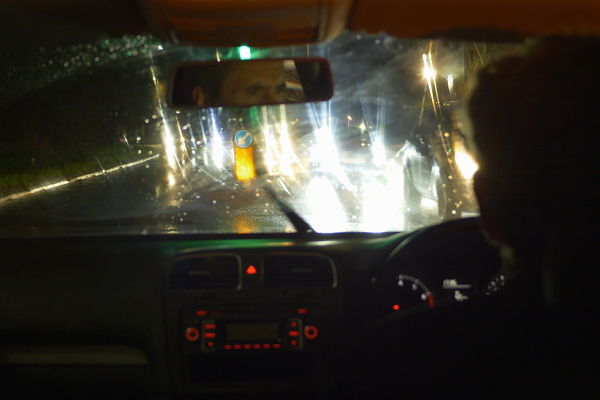
RAC road safety spokesperson Rod Dennis said: “We’ve long campaigned for action when it comes to headlight glare as it’s drivers’ top vehicle safety concern. We look forward to seeing how the Government plans to reduce glare from both existing and new vehicles.”
The RAC's latest research on headlight glare can be viewed here.
Tackling uninsured drivers
RAC head of policy Simon Williams said: “Every law-abiding driver pays more for their motor insurance because they end up having to bear the cost of collisions involving uninsured drivers. Given the high cost of motoring, including insurance, it’s positive to see action being taken in this area but police enforcement is also essential to ensure any new penalties are truly effective.”
Young drivers
RAC road safety spokesperson Rod Dennis said: “The tragic statistics speak for themselves – young drivers are involved in a disproportionately high number of fatal and serious collisions. Understandably, families want something done. Passing the practical test is a key milestone and the more preparation new drivers have, the safer they should be when they take to the roads on their own.
“But there’s an opportunity for the Government to go further to ensure the next generation of drivers are the safest they can be as they begin their driving careers. For instance, making black-box telematics insurance mandatory for at least the first year after passing the driving test could be extremely beneficial as it closely monitors behaviour at the wheel. This can even lead to lower motor insurance costs for the safest drivers.”